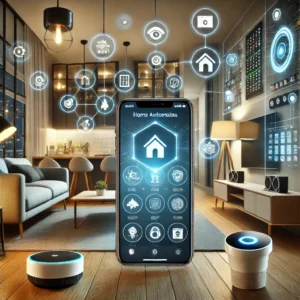
In today’s rapidly advancing world, smart home technology is becoming increasingly integral to enhancing our everyday lives. Among the various smart devices gaining popularity, smart thermostats stand out as a revolutionary tool for optimizing home comfort. Not only do they offer convenience, but they also provide energy efficiency and cost savings, making them a vital addition to any modern home. This ultimate guide will explore the different aspects of smart thermostats, helping you make informed decisions to maximize the comfort of your living space.
What is a Smart Thermostat?
A smart thermostat is an internet-connected device that allows you to control your home’s heating and cooling systems remotely through a smartphone, tablet, or computer. Unlike traditional thermostats, smart thermostats come equipped with advanced features such as learning algorithms, occupancy sensors, and integration with other smart home devices. These features enable them to automatically adjust the temperature based on your preferences, occupancy, and even weather conditions.
Benefits of Smart Thermostats
Smart thermostats offer a myriad of benefits that go beyond mere temperature control:
Energy Efficiency
One of the most significant advantages of a smart thermostat is its ability to optimize energy usage. By learning your schedule and preferences, they can adjust the temperature when you’re not home, reducing unnecessary energy consumption. This not only contributes to environmental sustainability but also lowers your utility bills.
Convenience and Control
With a smart thermostat, you have the power to control your home’s climate from anywhere in the world. Whether you’re at work, on vacation, or simply lounging on your couch, you can adjust the temperature with a few taps on your smartphone. This level of control ensures that you always return to a comfortable home environment.
Personalized Comfort
Smart thermostats learn from your behavior and preferences. Over time, they develop personalized schedules that cater to your comfort needs. For instance, if you prefer a cooler temperature at night and a warmer one in the morning, the thermostat will automatically adjust to these preferences, ensuring optimal comfort at all times.
Integration with Smart Home Ecosystems
Many smart thermostats integrate seamlessly with other smart home devices such as smart speakers, lights, and security systems. This integration allows for a more cohesive and automated home environment. For example, your thermostat can work in tandem with smart blinds to adjust sunlight exposure based on the temperature settings.
Key Features to Consider
When selecting a smart thermostat, it’s essential to consider certain features that will enhance your overall experience:
Compatibility
Ensure that the smart thermostat you choose is compatible with your existing heating and cooling system. Some thermostats work with a wide range of systems, while others may have limitations. Checking compatibility is crucial to avoid any installation issues.
Connectivity
Most smart thermostats connect to Wi-Fi, allowing you to control them remotely. Some models also offer Bluetooth connectivity for local control without internet access. Consider the connectivity options that suit your lifestyle and preferences.
User Interface
A user-friendly interface is essential for easy operation. Look for thermostats with intuitive touchscreens or mobile apps that make adjusting settings straightforward and hassle-free.
Learning Capabilities
Some smart thermostats have advanced learning capabilities that adapt to your schedule and preferences. These models require minimal manual programming, as they automatically adjust based on your habits. This feature can significantly enhance convenience and energy savings.
Geofencing
Geofencing technology uses your smartphone’s location to determine when you’re home or away. This feature allows the thermostat to adjust the temperature automatically, ensuring optimal energy efficiency while maintaining comfort.
Top Smart Thermostats on the Market
Here are some of the leading smart thermostats available today, each offering unique features and benefits:
Ecobee SmartThermostat with Voice Control
The Ecobee SmartThermostat is a versatile option with built-in Alexa voice control. It features a sleek design, an intuitive touchscreen, and compatibility with various smart home ecosystems. Its remote sensor technology ensures balanced temperature control throughout your home.
Nest Learning Thermostat
Google’s Nest Learning Thermostat is renowned for its learning capabilities. It adapts to your schedule, optimizing energy usage and providing personalized comfort. The Nest app offers seamless control, and the device integrates well with other Google Home products.
Honeywell Home T9 Smart Thermostat
The Honeywell Home T9 Smart Thermostat offers robust performance with remote sensors and geofencing technology. It allows for precise temperature control in different rooms, ensuring consistent comfort. The T9 is also compatible with various smart home platforms.
Sensi Touch Smart Thermostat
The Sensi Touch Smart Thermostat by Emerson is known for its affordability and ease of use. It features a responsive touchscreen, geofencing, and flexible scheduling options. It’s a great choice for those seeking a budget-friendly yet effective smart thermostat.
Installation and Setup
Installing a smart thermostat is typically straightforward, but it may vary depending on your home’s existing system. Here are some general steps to guide you through the installation process:
Preparation
Before installation, ensure you have all the necessary tools, including a screwdriver, drill, and level. Turn off the power to your HVAC system to avoid any electrical hazards.
Remove the Old Thermostat
Carefully remove your existing thermostat, taking note of the wiring configuration. Label the wires to ensure correct reconnection later.
Mount the Smart Thermostat
Follow the manufacturer’s instructions to mount the new smart thermostat on the wall. Use the provided mounting plate and screws, ensuring it’s level for accurate temperature readings.
Connect the Wires
Connect the labeled wires to the corresponding terminals on the smart thermostat. Double-check the connections to ensure they are secure.
Power Up and Configure
Once everything is connected, restore power to your HVAC system and power on the thermostat. Follow the setup instructions on the device or app to connect it to your Wi-Fi network and configure your preferences.
Maximizing the Benefits of Your Smart Thermostat
To fully leverage the advantages of your smart thermostat, consider the following tips:
Regularly Update Firmware
Manufacturers often release firmware updates to enhance functionality and security. Ensure your thermostat is up-to-date to enjoy the latest features and improvements.
Utilize Scheduling Features
Take advantage of scheduling features to automate temperature adjustments based on your daily routine. This ensures optimal comfort while minimizing energy wastage.
Integrate with Other Smart Devices
Explore integration options with other smart home devices to create a seamless and automated home environment. For example, link your thermostat with smart lights or blinds for coordinated energy-saving actions.
Monitor Energy Usage
Many smart thermostats provide energy usage reports, offering insights into your consumption patterns. Use this data to identify opportunities for further energy savings and cost reductions.
Conclusion
Smart thermostats represent a significant leap forward in home comfort and energy management. By understanding their features, benefits, and installation process, you can optimize your home’s climate control and enjoy a more comfortable living environment. Whether you’re seeking energy efficiency, convenience, or personalized comfort, a smart thermostat is an investment that pays off in the long run. Embrace this technology to transform your home into a smarter, more efficient space.