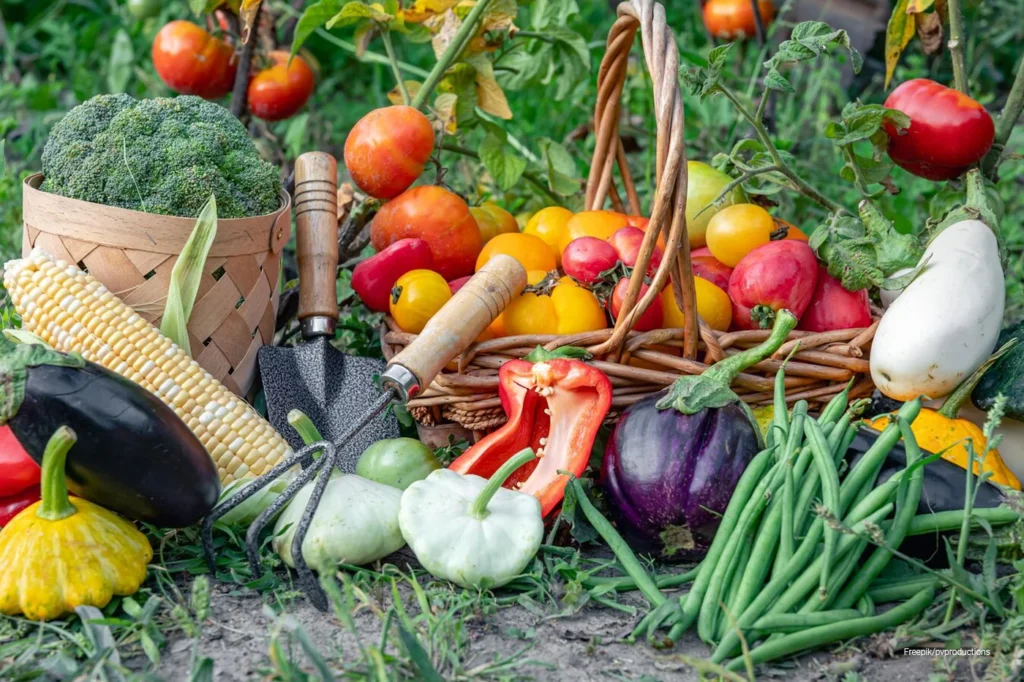
Creating a vegetable garden in your backyard is a rewarding endeavor that provides fresh produce and a sense of accomplishment. However, transforming your outdoor space into a thriving vegetable garden requires careful planning and consistent care. In this article, we’ll explore top tips to help you cultivate a productive and healthy vegetable garden right in your backyard.
Choose the Right Location
The success of your vegetable garden largely depends on its location. Most vegetables need at least six to eight hours of direct sunlight daily. Observe your backyard to identify the sunniest spots. Additionally, consider the proximity to a water source, as regular watering is essential for a thriving garden. Good air circulation is also important to prevent diseases, so avoid areas that are too enclosed.
Prepare the Soil
Healthy soil is the foundation of a productive vegetable garden. Start by testing your soil to determine its pH level and nutrient content. You can purchase affordable soil test kits from garden centers. Based on the results, amend your soil by adding organic matter like compost or well-rotted manure to improve its structure and fertility. Proper drainage is also crucial, so ensure your soil is neither too sandy nor too clayey.
Select the Right Vegetables
Choosing the right vegetables for your garden is key to ensuring a bountiful harvest. Consider the climate and growing season in your area when selecting vegetables. Opt for varieties that are well-suited to your local conditions. Beginners might start with easy-to-grow vegetables like lettuce, radishes, and tomatoes. Also, think about what your family enjoys eating to make the most of your harvest.
Plan Your Garden Layout
Thoughtful planning of your garden layout can maximize space and improve yields. Use companion planting techniques to encourage beneficial relationships between plants. For instance, planting basil near tomatoes can enhance growth and flavor. Consider vertical gardening to save space, especially in small backyards. Trellises, stakes, or cages can support climbing plants like beans and cucumbers.
Practice Crop Rotation
Crop rotation is a crucial practice that helps prevent soil-borne diseases and pests. By changing the location of plant families each year, you reduce the risk of soil nutrient depletion and break the cycle of pests and diseases. Group your plants into families (such as legumes, nightshades, and brassicas) and rotate them through different sections of your garden each year.
Water Efficiently
Efficient watering is vital for the health of your vegetable garden. Deep watering encourages roots to grow deeper into the soil, enhancing drought resistance. Water early in the morning or late in the afternoon to reduce evaporation and fungal diseases. Installing a drip irrigation system can help conserve water and ensure consistent moisture levels. Mulching around plants also helps retain moisture and suppress weeds.
Control Pests Naturally
Pests can quickly become a problem in your vegetable garden, but you can control them using natural methods. Encourage beneficial insects like ladybugs and predatory beetles by planting flowers that attract them. Use physical barriers such as row covers or floating row covers to protect young plants from pests. Homemade remedies, like a mixture of water and dish soap, can be effective against soft-bodied insects.
Fertilize Regularly
Regular fertilization supplies essential nutrients that promote healthy plant growth. Use organic fertilizers like compost, fish emulsion, or seaweed extract to nourish your plants without harming the environment. Follow the recommended application rates to avoid over-fertilizing, which can lead to nutrient imbalances. Pay attention to individual plant needs, as some vegetables may require more specific nutrient boosts.
Maintain Your Garden
Consistent maintenance is key to a thriving vegetable garden. Regularly check for signs of pests and diseases, and take action promptly to prevent spread. Keep your garden tidy by removing weeds, dead leaves, and debris. Prune plants to improve air circulation and encourage growth. Mulch should be refreshed periodically to suppress weeds and maintain soil temperature and moisture levels.
Embrace Seasonality
Understanding and embracing the seasonal changes in your garden can lead to more successful harvests. Plant cool-season crops like spinach and carrots in early spring or late fall when temperatures are cooler. Warm-season crops like peppers and squash thrive in the heat of summer. Succession planting, or staggering plantings of the same crop, ensures a continuous harvest throughout the growing season.
Harvest at the Right Time
Timing your harvest is essential to enjoy the best flavor and texture from your vegetables. Pick vegetables when they are at their peak ripeness, which varies depending on the type. Leafy greens should be harvested before they become too mature and bitter. Tomatoes should be picked when fully colored but still firm. Regular harvesting encourages plants to produce more fruit.
Preserve Your Harvest
Preserving your harvest allows you to enjoy your garden’s bounty year-round. Learn various preservation methods such as canning, freezing, and drying to extend the shelf life of your vegetables. Fermentation is another method that not only preserves food but also enhances its nutritional value. Store preserved produce properly to maintain quality and flavor.
Involve the Whole Family
Gardening is a wonderful activity for the whole family. Involving children in the gardening process can teach them valuable lessons about nature, responsibility, and healthy eating. Assign age-appropriate tasks and encourage curiosity and exploration. Celebrate successes together, whether it’s the first ripe tomato or a basketful of beans, to create lasting memories and a love for gardening.
Continue Learning and Adapting
Gardening is an ongoing learning experience, and adapting to new challenges is part of the journey. Stay informed about new gardening techniques, pest control methods, and plant varieties through books, online resources, or local gardening clubs. Be open to experimenting with different approaches and learning from both successes and failures. Your garden will evolve over time, and so will your skills as a gardener.
By following these top vegetable garden tips, you can create a thriving backyard garden that produces an abundance of fresh, healthy produce. With careful planning, consistent care, and a willingness to learn, your vegetable garden can become a source of joy and nourishment for years to come.