As energy bills continue to rise and environmental concerns become more pressing, effective home insulation has never been more critical. Proper insulation not only keeps your home warm in winter and cool in summer but also significantly reduces energy consumption, leading to lower utility bills and a reduced carbon footprint. This ultimate guide aims to explore the ins and outs of home insulation, offering insights and tips to maximize your home’s energy efficiency.
Understanding Insulation Basics
Insulation serves as a barrier to heat flow and is essential for keeping your home comfortable throughout the year. The primary purpose of insulation is to reduce the amount of heat that escapes from your home in the winter and enters in the summer. By doing so, insulation helps maintain a consistent indoor temperature, reducing the need for excessive heating and cooling, which in turn lowers energy bills.
Types of Insulation
There are several types of insulation materials available, each with its own advantages and best-use scenarios:
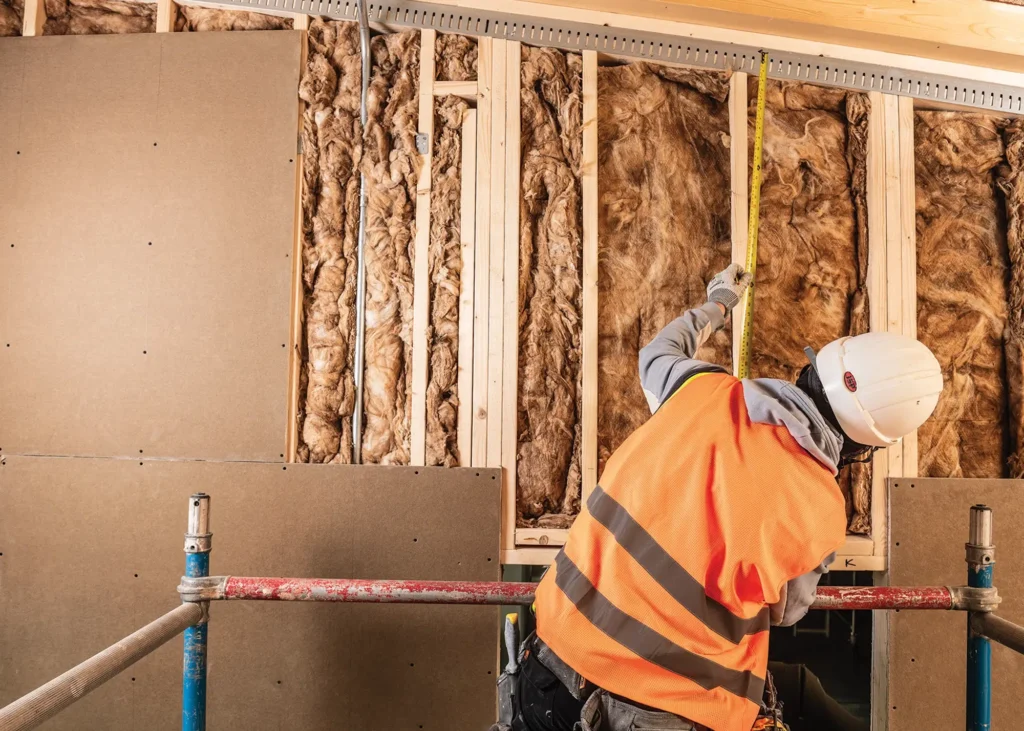
- Fiberglass: This is one of the most common insulation materials and is typically used in batts or rolls. It is affordable, easy to install, and provides good thermal resistance.
- Spray Foam: Ideal for sealing gaps and cracks, spray foam insulation expands to fill spaces and provides an airtight seal. It is highly effective but can be more expensive than other options.
- Cellulose: Made from recycled paper products, cellulose insulation is eco-friendly and provides excellent thermal performance. It is often used in attics and walls.
- Rigid Foam: This type of insulation is commonly used for insulating basement walls and exterior walls. It offers high thermal resistance and is moisture-resistant.
- Mineral Wool: Also known as rock wool, this insulation is fire-resistant and offers excellent soundproofing qualities. It is suitable for various applications, including walls and attics.
Assessing Your Insulation Needs
Before selecting the type of insulation, it’s crucial to assess your home’s specific needs. Factors to consider include the climate, the age of your home, existing insulation, and specific areas that may require additional insulation. Conducting an energy audit can provide valuable insights into where your home is losing energy and where improvements can be made.
Climate Considerations
The climate in which you live plays a significant role in determining the type of insulation and the R-value (a measure of thermal resistance) you need. In colder climates, a higher R-value is necessary to prevent heat loss, while in warmer climates, insulation with a lower R-value may suffice for keeping cool air in and hot air out.
Identifying Problem Areas
Common areas in the home that may require additional insulation include the attic, walls, floors, basement, and around windows and doors. Each of these areas can be a source of significant energy loss if not adequately insulated. Pay particular attention to attics, as they are often the primary source of heat loss in a home.
Installing Insulation
Once you’ve determined the type of insulation and the areas that need attention, the next step is installation. While some forms of insulation, like batt and roll, can be a DIY project, others, such as spray foam, may require professional installation to ensure maximum effectiveness.
DIY vs. Professional Installation
Installing insulation can be a straightforward DIY project if you have the right tools and materials. For simple projects like adding fiberglass batts to an attic, many homeowners can handle the task themselves. However, for more complex projects, such as installing spray foam or insulating difficult-to-reach areas, hiring a professional is recommended. Professional installers have the expertise and equipment to ensure the job is done correctly and safely.
Safety Considerations
When installing insulation, safety should be a top priority. Wear protective gear, including gloves, goggles, and a mask, to avoid irritation from insulation materials. Ensure that the area is well-ventilated, especially when working with spray foam insulation, which can emit harmful fumes. Additionally, be mindful of electrical wiring and other obstructions when installing insulation.
Benefits of Proper Insulation
Investing in proper insulation offers numerous benefits that go beyond energy savings:
- Enhanced Comfort: Proper insulation maintains a consistent indoor temperature, eliminating cold drafts and hot spots, and ensuring a more comfortable living environment.
- Reduced Energy Bills: By minimizing the need for heating and cooling, insulation reduces your energy consumption and lowers your utility bills.
- Environmental Impact: By reducing energy consumption, proper insulation contributes to a lower carbon footprint and a more sustainable home.
- Soundproofing: Insulation also provides soundproofing benefits, reducing noise from outside and between rooms.
- Increased Home Value: Energy-efficient homes are more attractive to buyers, potentially increasing the resale value of your home.
Maintaining Your Insulation
Once your home is properly insulated, it’s essential to maintain it to ensure continued efficiency. Regularly check for signs of wear and tear, such as moisture damage, mold, or compressed insulation, which can reduce its effectiveness. Address any issues promptly to maintain the insulation’s integrity and performance.
Periodic Inspections
Conduct regular inspections of your insulation, especially after severe weather events or if you notice changes in your home’s temperature regulation. Look for areas where insulation may have shifted or settled, and make necessary adjustments or replacements as needed.
Seal Air Leaks
In addition to maintaining insulation, sealing air leaks around windows, doors, and other openings can further improve your home’s energy efficiency. Use weatherstripping, caulk, or expanding foam sealant to close gaps and prevent air from escaping or entering your home.
Conclusion
Proper home insulation is a vital component of creating an energy-efficient home. By understanding the different types of insulation, assessing your home’s specific needs, and ensuring proper installation and maintenance, you can significantly reduce energy consumption, lower your utility bills, and contribute to a more sustainable environment. Whether you’re planning a DIY project or hiring a professional, investing in quality insulation is a smart decision that pays off in comfort, savings, and peace of mind.
Ultimately, the key to maximum efficiency lies in a holistic approach that considers insulation alongside other energy-saving measures, creating a home that is not only comfortable but also environmentally responsible.
#ChatGPT assisted in the creation of this article.