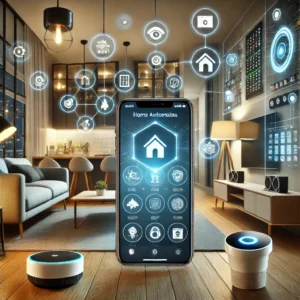
In the realm of smart home technology, smart lighting stands out as a transformative innovation that not only enhances the aesthetics of your living space but also elevates convenience, energy efficiency, and security. With the advent of smart lighting, homeowners now have the power to customize their home environments to suit their moods, activities, and schedules—all with the touch of a button or the sound of a voice command. In this article, we will explore the various facets of smart lighting and how it can revolutionize the ambience of your home.
The Basics of Smart Lighting
Smart lighting refers to lighting systems that can be controlled remotely through a smartphone app, a smart home hub, or a voice assistant. Unlike traditional lighting, smart lighting systems offer a range of features such as dimming, color changing, scheduling, and automation. These systems typically consist of smart bulbs, smart switches, and smart plugs, each contributing to a seamless lighting experience.
Smart Bulbs
Smart bulbs are the most popular and accessible entry point into smart lighting. These bulbs can be screwed into existing light fixtures and controlled via Wi-Fi or Bluetooth. They often come with features like adjustable brightness, color temperature variations, and even full RGB color spectrums, allowing you to set the perfect mood for any occasion.
Smart Switches
For those who prefer a more integrated solution, smart switches are a great option. By replacing your traditional light switch with a smart switch, you gain the ability to control multiple light fixtures at once. Smart switches often support voice commands and can be integrated with other smart home devices, making them a versatile addition to your home.
Smart Plugs
Smart plugs allow you to control non-smart lamps by simply plugging them into the smart plug. This is a cost-effective solution for bringing smart lighting capabilities to lamps and fixtures that cannot accommodate smart bulbs.
Enhancing Atmosphere with Smart Lighting
One of the most compelling reasons to invest in smart lighting is its ability to transform the ambiance of your home. Whether you’re hosting a dinner party, enjoying a quiet evening with a book, or setting the scene for a movie night, smart lighting allows you to tailor the atmosphere to your liking.
Dynamic Color and Temperature Control
Smart lighting systems often feature adjustable color temperatures, allowing you to shift from warm to cool tones depending on the time of day or activity. Warm lighting is ideal for relaxing evenings, while cooler tones can help increase alertness and focus during work hours. Additionally, RGB capabilities allow for vibrant colors that can be used to celebrate holidays or special occasions.
Scene Setting
Many smart lighting systems come with pre-programmed scenes or allow you to create custom scenes. These scenes can be activated with a single tap or voice command, instantly setting the mood for any activity. For example, a “Movie Night” scene might dim the lights and add a soft blue hue, while a “Dinner Party” scene could involve brighter, warmer lighting to create an inviting atmosphere.
Convenience and Automation
Beyond aesthetics, smart lighting offers unparalleled convenience and automation options that can significantly enhance your daily routine.
Voice Control
With the integration of voice assistants like Amazon Alexa, Google Assistant, and Apple Siri, controlling your lights has never been easier. You can turn lights on or off, adjust brightness, and change colors without lifting a finger—perfect for when your hands are full or you’re simply relaxing on the couch.
Scheduling and Routines
Smart lighting systems allow you to schedule lights to turn on or off at specific times, helping you maintain a consistent routine. This feature can be particularly useful for simulating occupancy while you’re away on vacation, adding an extra layer of security to your home.
Motion Sensors
Integrating motion sensors with your smart lighting system can automate lighting based on movement. This is not only convenient but also energy-efficient, as lights will only turn on when needed and automatically turn off when a room is unoccupied.
Energy Efficiency and Cost Savings
Smart lighting is not only about luxury and convenience; it also contributes to energy efficiency and cost savings. By optimizing your lighting usage, you can reduce your energy consumption and, consequently, your utility bills.
LED Technology
Most smart bulbs use LED technology, which is significantly more energy-efficient than traditional incandescent bulbs. LEDs use up to 80% less energy and can last up to 25 times longer, making them a sustainable choice for eco-conscious homeowners.
Usage Monitoring
Many smart lighting systems offer energy usage reports, allowing you to monitor your consumption patterns. By understanding your usage, you can make informed decisions about your lighting habits and identify areas where you can save energy.
Integration with Other Smart Home Devices
Smart lighting doesn’t exist in isolation; it can be seamlessly integrated with other smart home devices to create a cohesive and interconnected living environment.
Smart Home Hubs
Smart home hubs act as a centralized control system for all your smart devices, including lighting. By connecting your smart lighting to a hub, you can create complex automation routines that involve multiple devices. For example, you could set a routine that turns off all lights, locks the doors, and adjusts the thermostat when you say “Goodnight.”
Security Systems
Integrating smart lighting with your home security system can enhance your home’s safety. For instance, lights can automatically turn on when an outdoor security camera detects motion, deterring potential intruders.
Choosing the Right Smart Lighting System
With so many options available, selecting the right smart lighting system for your home can be daunting. Here are a few factors to consider:
Compatibility
Ensure that the smart lighting system you choose is compatible with your existing smart home devices and platforms. This will ensure seamless integration and prevent potential connectivity issues.
Features
Consider what features are most important to you. Do you want color-changing capabilities, or are you more interested in automation and scheduling? Different systems offer different features, so it’s important to prioritize your needs.
Budget
Smart lighting systems are available at various price points, from affordable starter kits to high-end solutions with advanced features. Determine your budget and explore options that offer the best value for your investment.
Conclusion
Smart lighting is a versatile and transformative addition to any home, offering benefits that extend beyond mere illumination. By enhancing ambiance, increasing convenience, improving energy efficiency, and integrating with other smart devices, smart lighting has the potential to revolutionize your living space. As you explore the possibilities of smart lighting, you’ll discover new ways to personalize your home environment, making it a true reflection of your style and preferences.